1.Try to diversify the tools for order entry, as shown in the figure below:
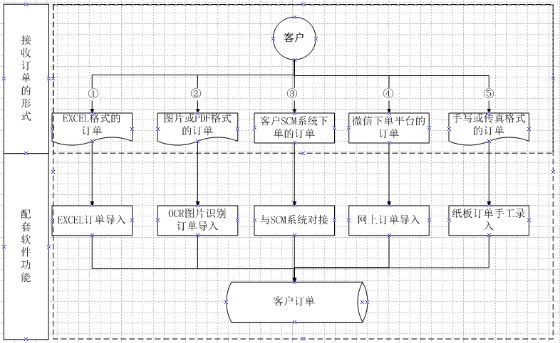
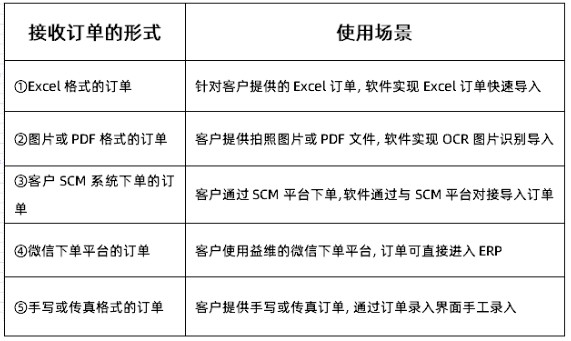
By providing multiple order entry methods, we can minimize the workload of order entry as much as possible, thereby reducing the error rate, improving order entry efficiency, saving order entry time, and achieving the goals of versatility, speed, quality and cost-effectiveness in the order entry process.
2.Base Paper Inventory Verification for Orders
During the order entry process, the key to effective base paper inventory verification lies in properly controlling the quantity of base paper that has been withdrawn but not yet used. Only in this way can the shortage quantity be calculated accurately, preventing inaccurate inventory figures in accounting caused by base paper withdrawal and leftover roll return. Therefore, the work-in-process (WIP) inventory method is adopted for management (WIP inventory refers to the quantity of base paper that has been delivered to the production site but not yet settled). To calculate potential base paper shortages in the future, further projections can be made by combining safety stock levels, base paper procurement plans, and the base paper demand derived from product sales orders or sales plans.

3.Actual Paper Consumption Settlement for Orders
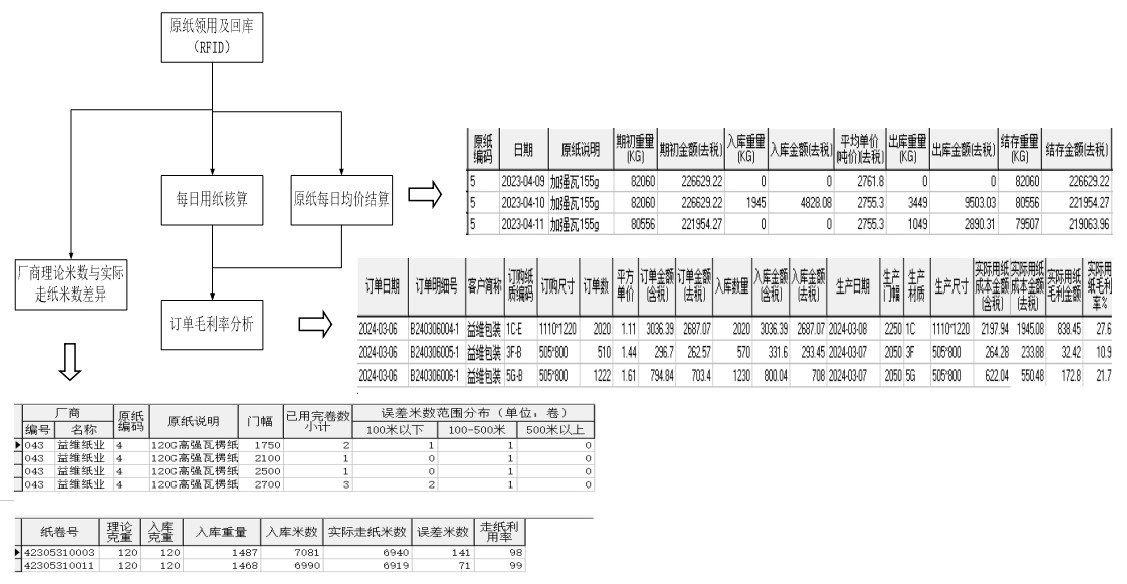
Through the close integration of the RFID system and the production management system, the detailed paper consumption of each roll used for every order can be calculated accurately.